My Skills
3D Computer Modelling
I have over 17 years of experience using SolidWorks and have also worked with Autodesk Inventor and AutoCAD 2D as well as Rhino when required. My experience with SolidWorks includes part design, sheet metal, structural design, electrical wiring, technical documentation, and motion analysis.
I have also developed parameter-driven models in which dimensions are linked through formulas and controlled using data extracted from external text files. This approach simplifies design modifications, improves flexibility, and makes it easier to accommodate changing engineering requirements.
Beyond my professional experience, I enjoy using SolidWorks in my everyday activities. During my time at university, I had access to CNC machines, 3D printers, and laser cutters, which I used to manufacture practical tools and accessories for my desk based on my own designs.
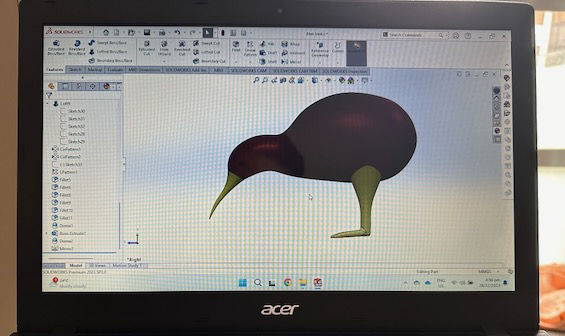
A kiwi bird designed in SolidWorks
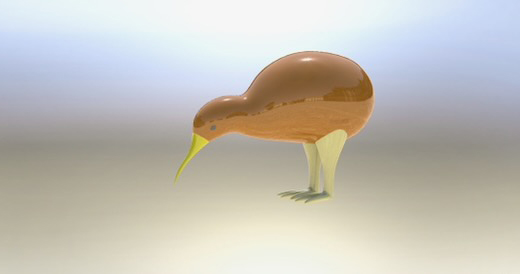
A kiwi bird rendered in SolidWorks
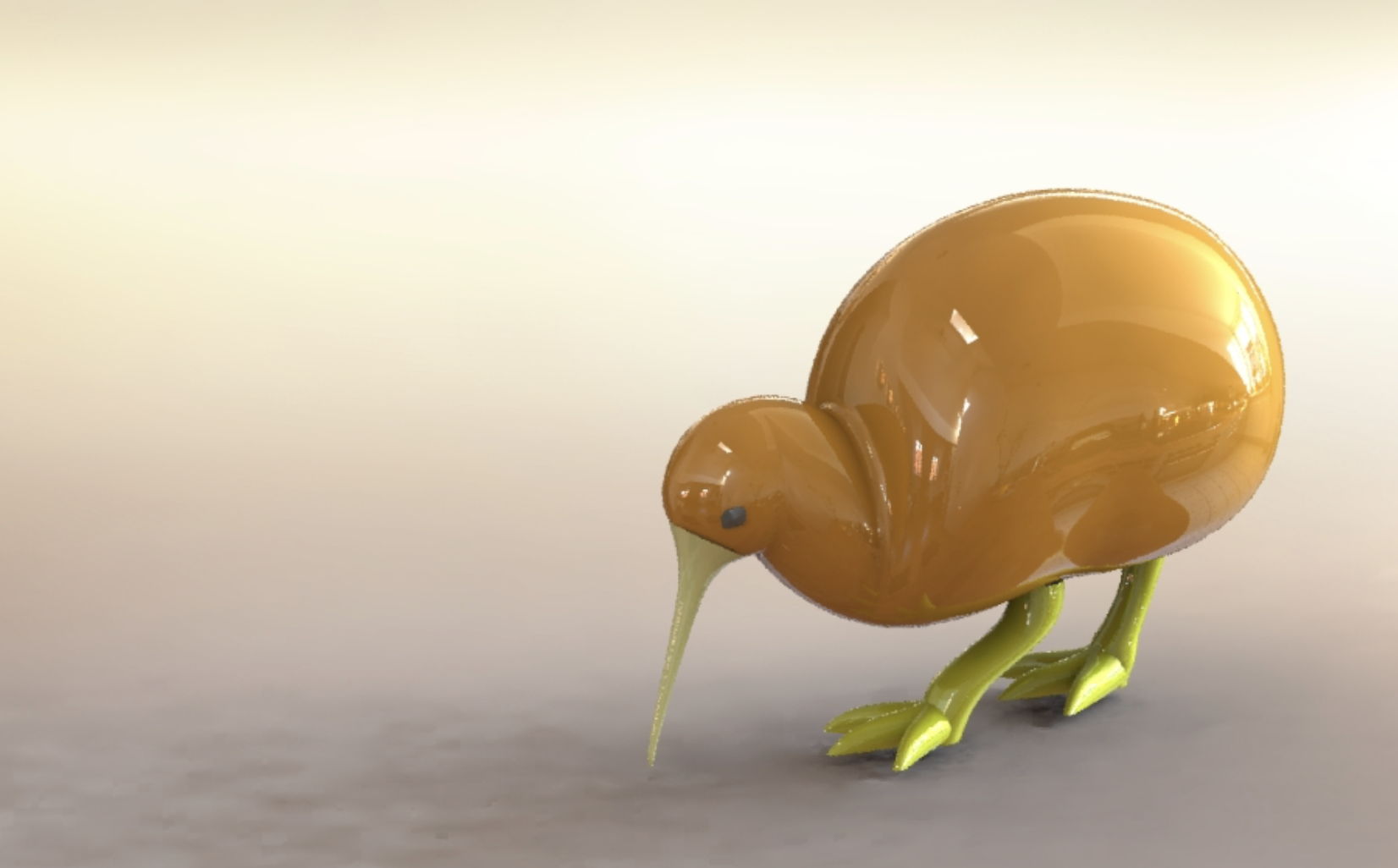
A walking kiwi bird rendered in SolidWorks
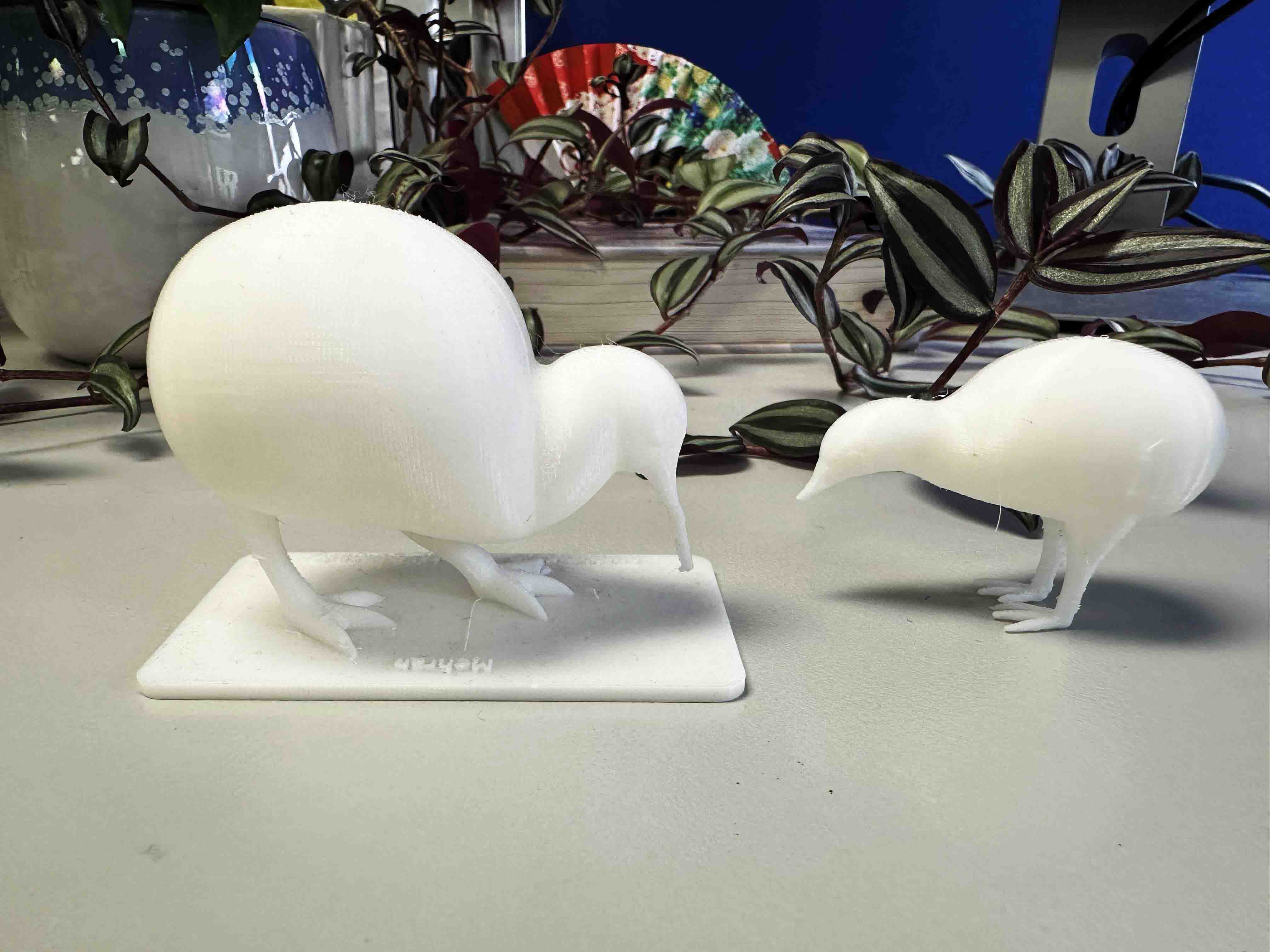
3D printed kiwi birds

UOA logo deisgned and rendered in SolidWorks
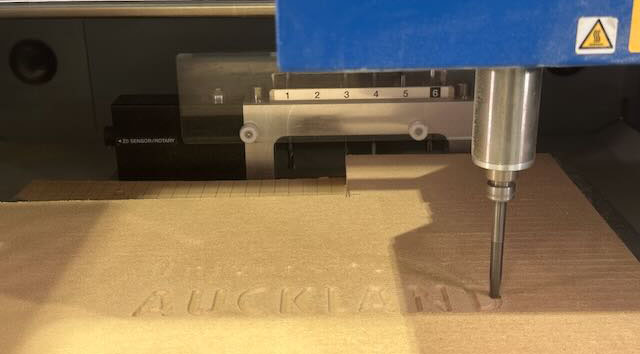
CNC machine carving UOA logo
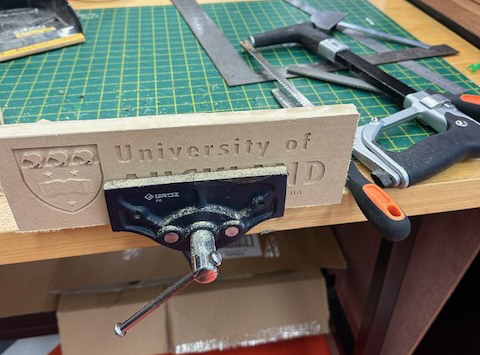
Carved logo on vice ready to be finished and painted
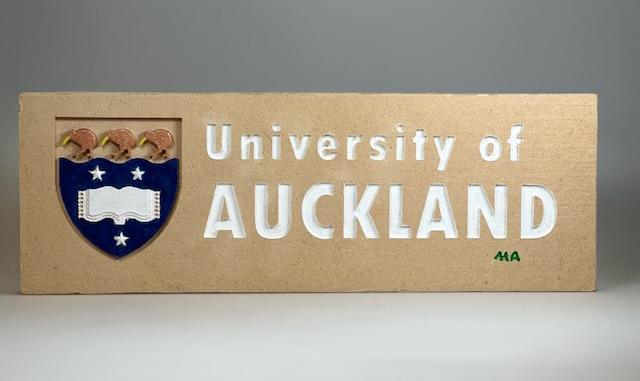
Final painted UOA logo
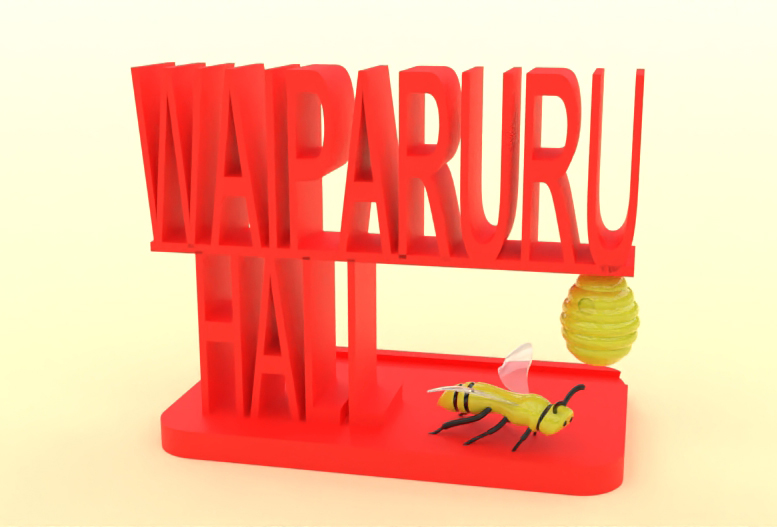
Waiparuru Hall phone holder designed and rendered in Rhino
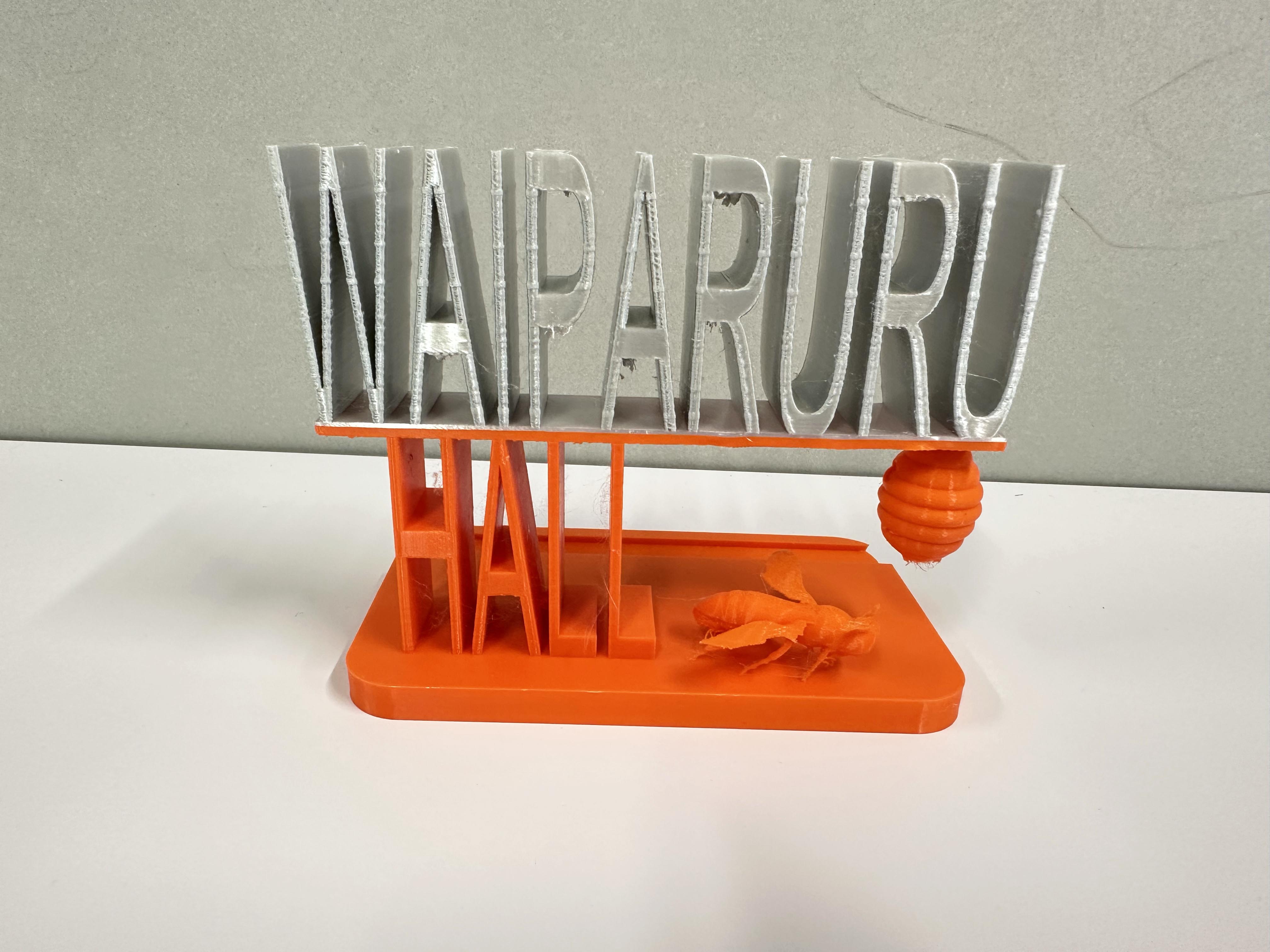
3D printed Waiparuru Hall phone holder
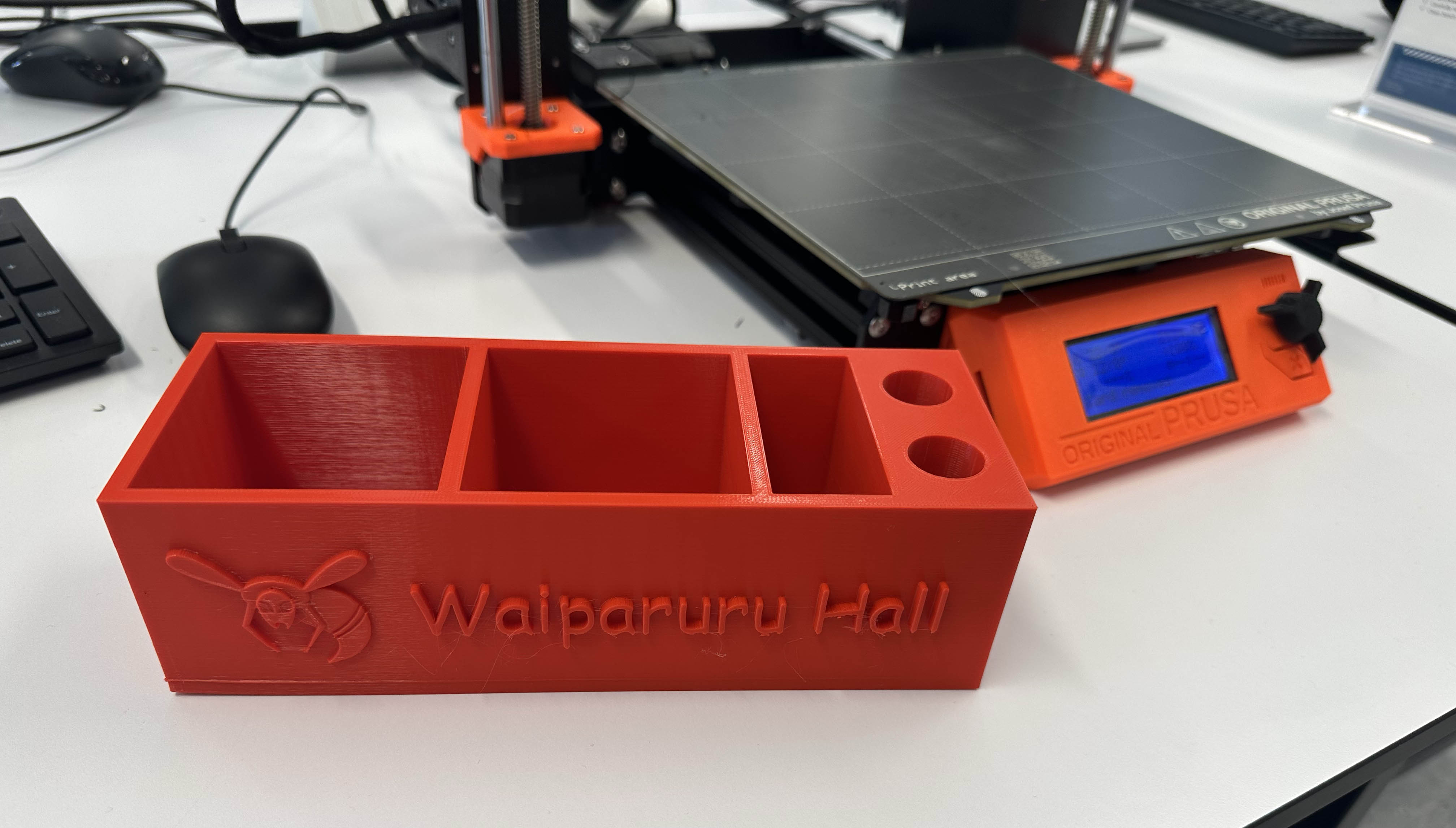
Stationary box designed in SolidWorks and 3D printed
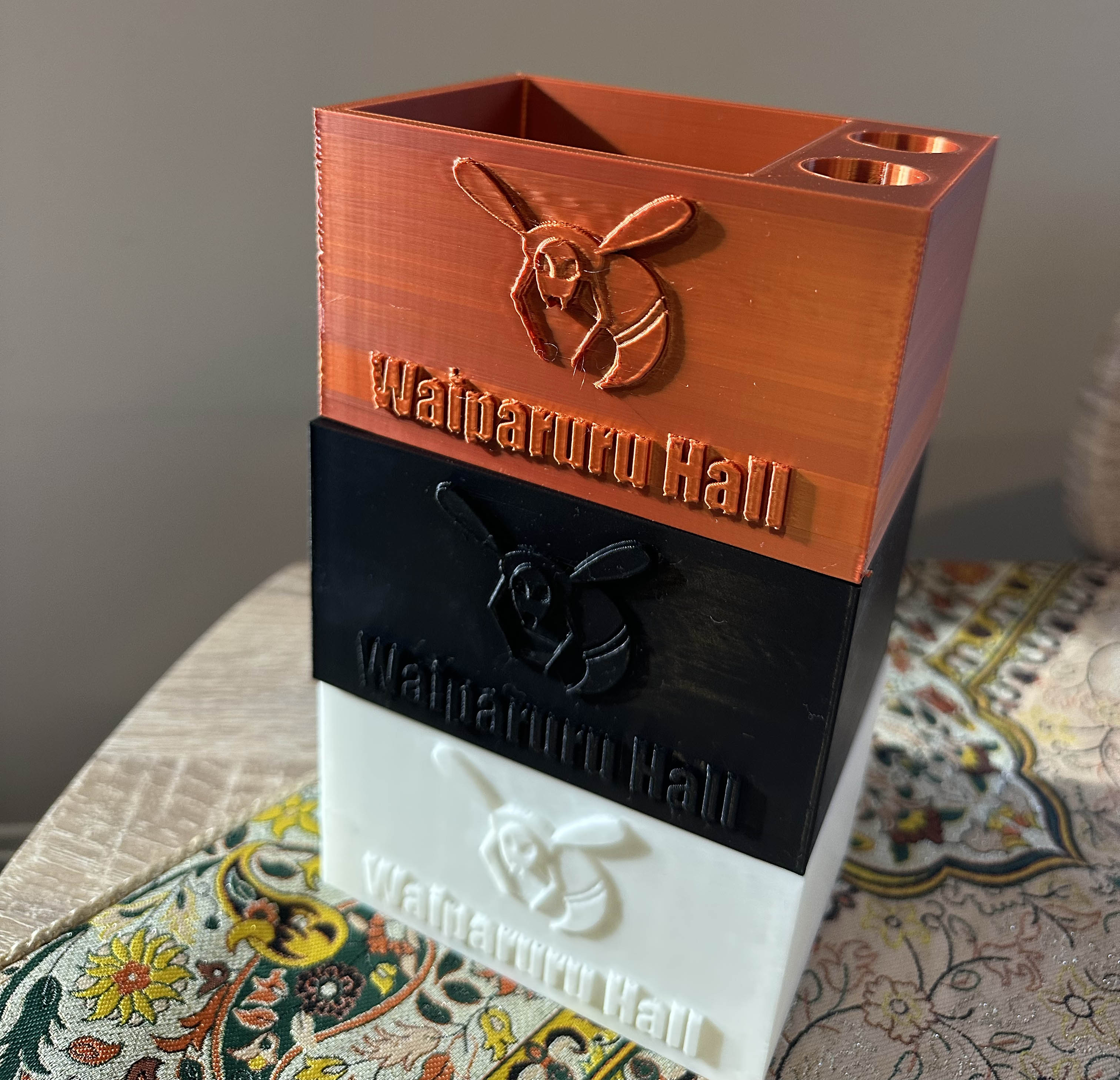
3D printed small size stationary box of Waiparuru Hall
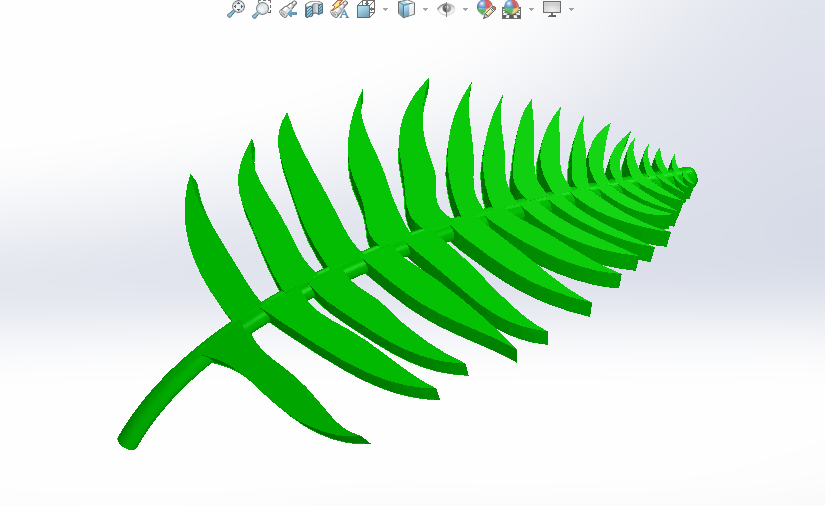
Silver fern designed in SolidWorks
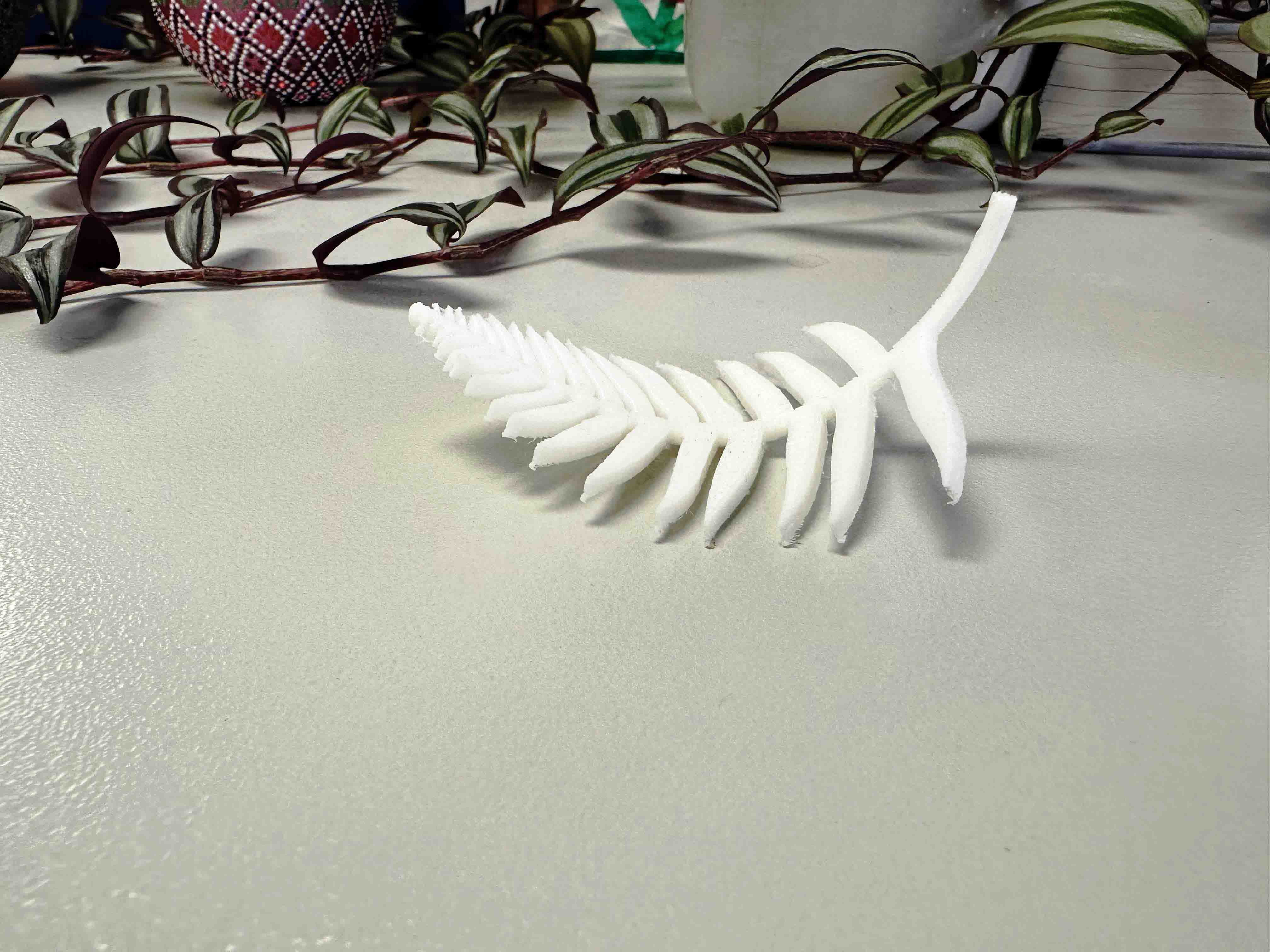
3D printed silver fern
Laser cutting, Adobe Illustrator, and Adobe Photoshop
I am interested in photography and am proficient in using Adobe Photoshop for photo editing and image enhancement. I am also skilled in using Adobe Illustrator to create vector graphics and prepare files for laser cutting and engraving.
In my free time, I occasionally design decorative items and practical tools for personal use. My projects include designing a logo for the Auckland Bioengineering Institute and creating a bread slicer for my home, as I enjoy baking my own bread. These activities allow me to combine creativity, software skills, and practical design.
These practical projects are not only interesting to me but also provide valuable learning opportunities with every component I design and make.
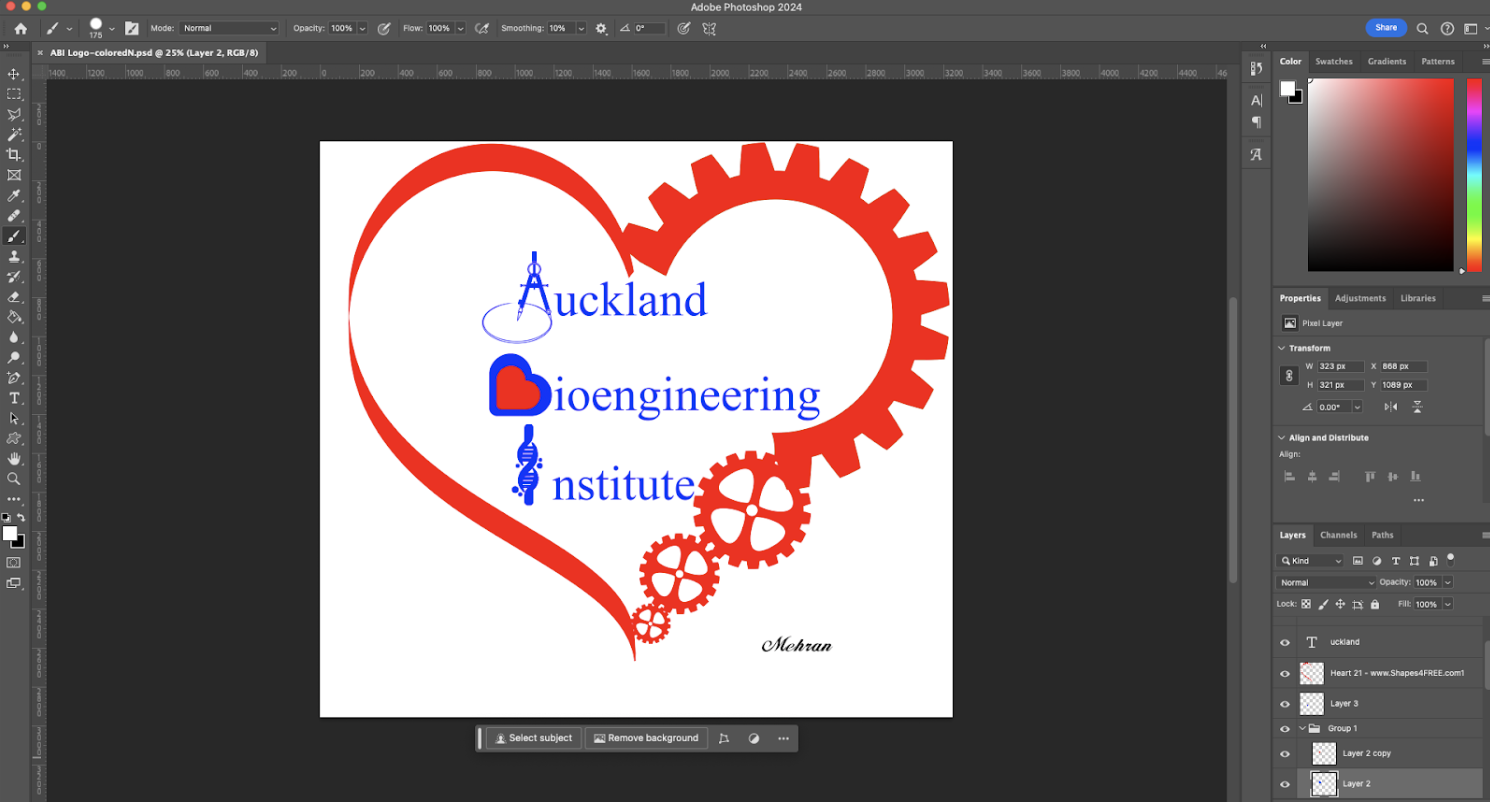
Designing ABI logo in Photoshop
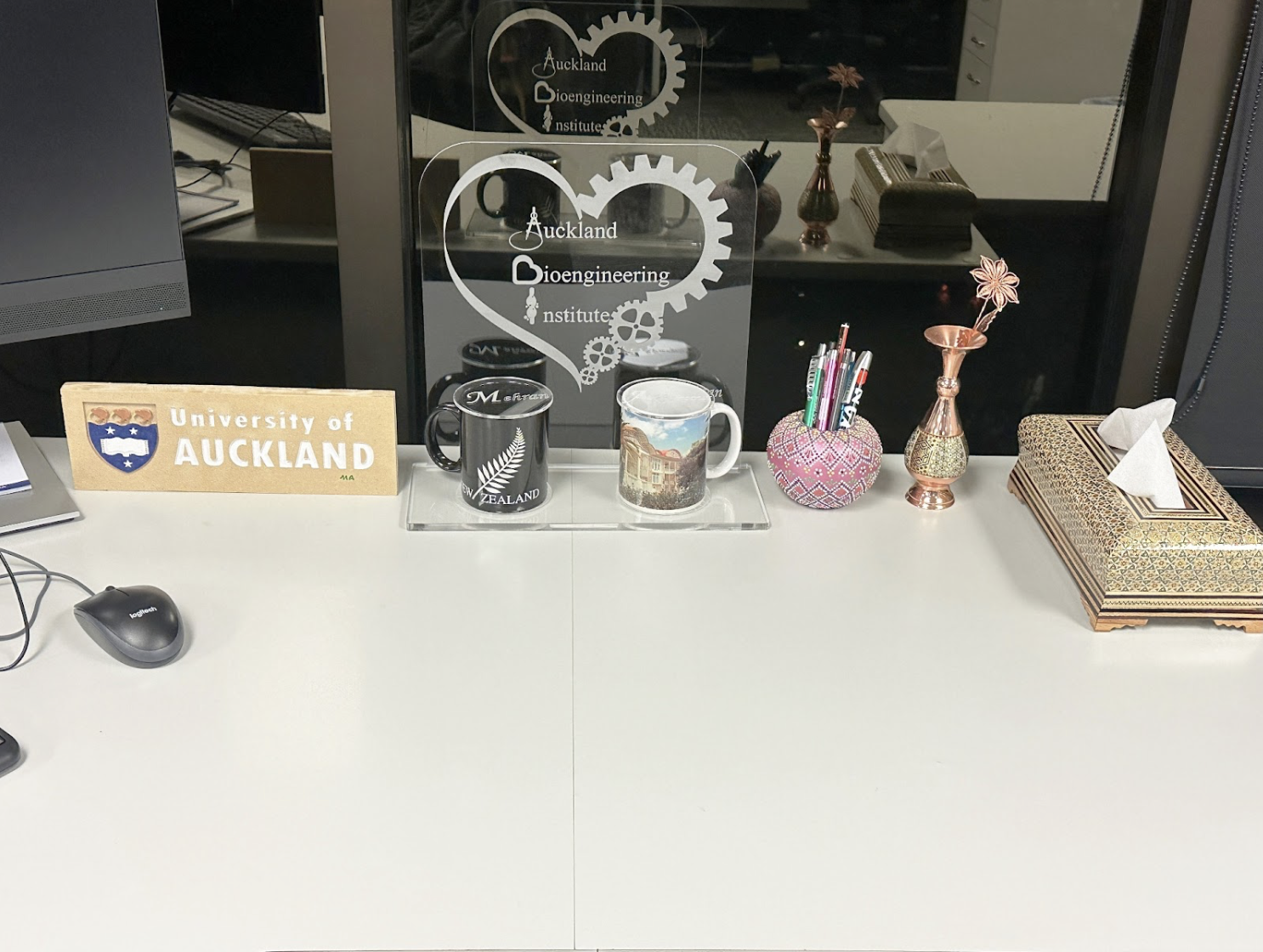
The laser etched and cut using a laser machine
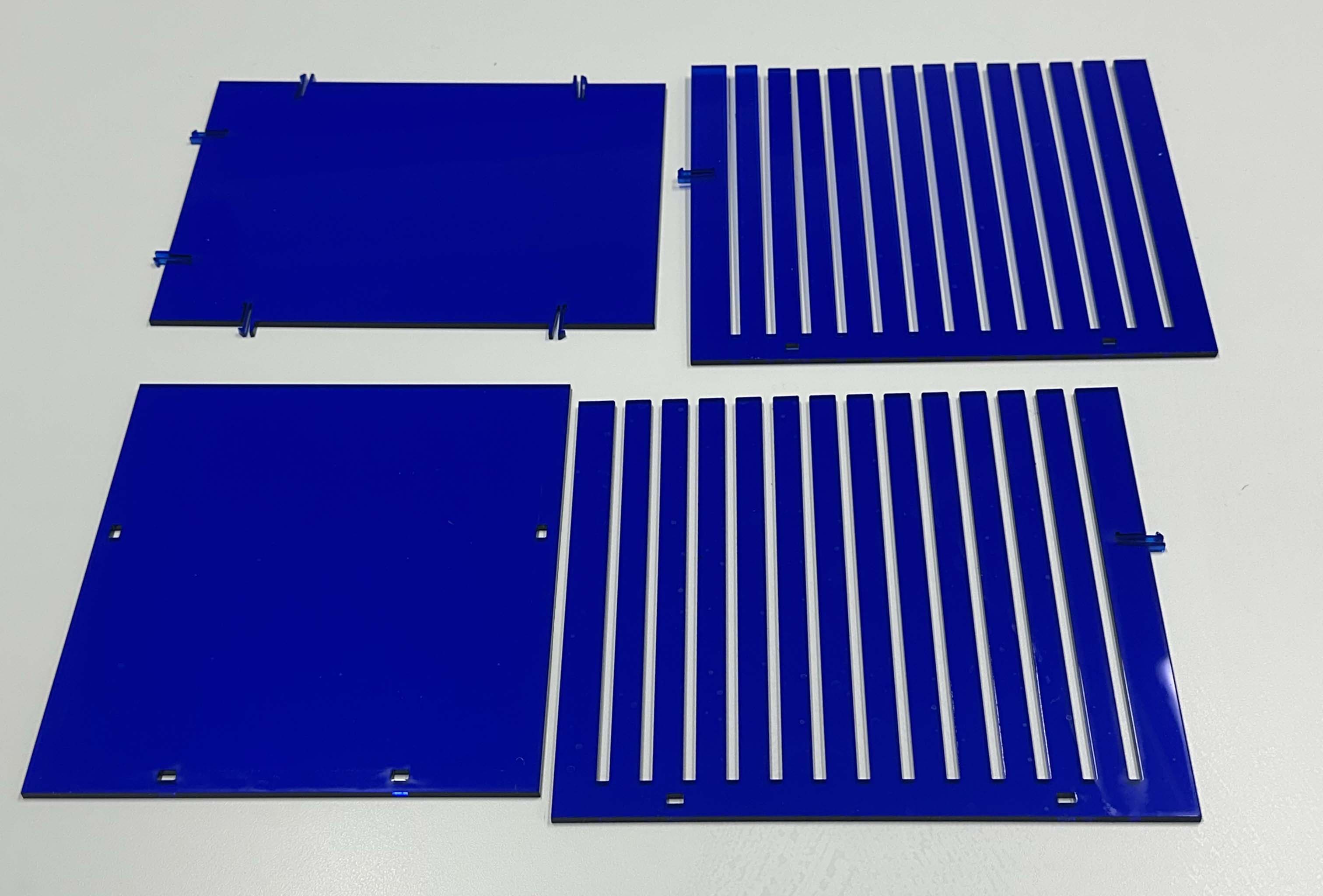
Parts of the bread slicer designed and cut by a laser machine
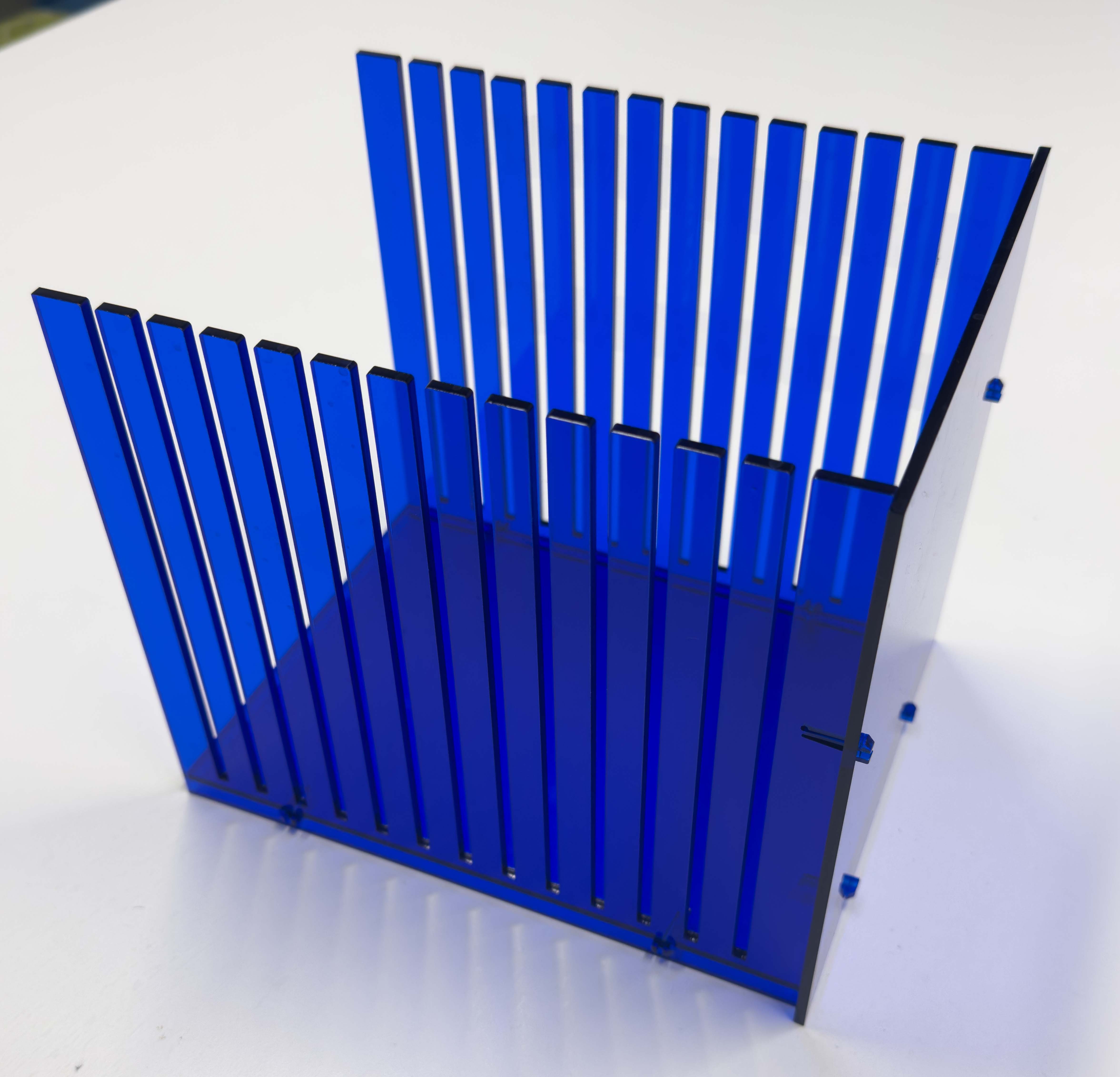
Assembled bread slicer
Coding
I have over ten years of programming experience, beginning with FORTRAN, which I used for computationally intensive calculations and mathematical modelling. I later expanded my programming skills by moving to C++ when developing a tumour growth model. This transition allowed me to use object-oriented programming to implement and organise the angiogenesis component of the model.
During my PhD, I shifted to Python and developed an automated tool capable of reading and parsing XML-based mathematical models. This work expanded my experience beyond numerical modelling into data processing, model interpretation, and automation. Through these projects, I have gained experience in applying different programming languages to solve scientific and engineering problems, selecting appropriate tools based on the requirements of each project.
In addition to these programming languages, I have experience with web development technologies, including HTML, CSS, JavaScript, and Node.js. I have designed and developed this website myself to present my background, skills, and projects.
I have also developed an interactive typing-speed test using HTML, CSS, and JavaScript. This project combines elements of a game with a practical tool, allowing users to practise typing and measure their typing speed.
Check out my Github page to see the codes I have developed.
https://github.com/mehran-agTry your typing speed in the page I have designed. You can choose a difficulty level and start typing to finish the text in 60 seconds to get your typing score. Click on the button below to open in a new page or try out in this page by clicking on "Start Typing Text"
Typing speed testMachine Learning
I have applied machine learning techniques in several research projects. In two published journal articles, I used Radial Basis Function (RBF) neural networks to predict tumour growth under different conditions. This approach reduced the number of simulations required to investigate tumour behaviour while allowing us to explore a wider range of scenarios. In another project, I used a Generalized Regression Neural Network (GRNN) to investigate the effects of different doses of the anti-angiogenic drug Endostatin. This enabled us to extend our predictions beyond the time frames covered by the original simulations and explore tumour behaviour over longer periods following treatment.
In another project, I used machine learning to develop a K-Nearest Neighbours (KNN) model to distinguish between COVID-19 and influenza based on patients' reported symptoms before they visited a general practitioner (GP). The program asks patients relevant questions and uses their responses to classify cases into COVID-19 or influenza groups for further assessment.
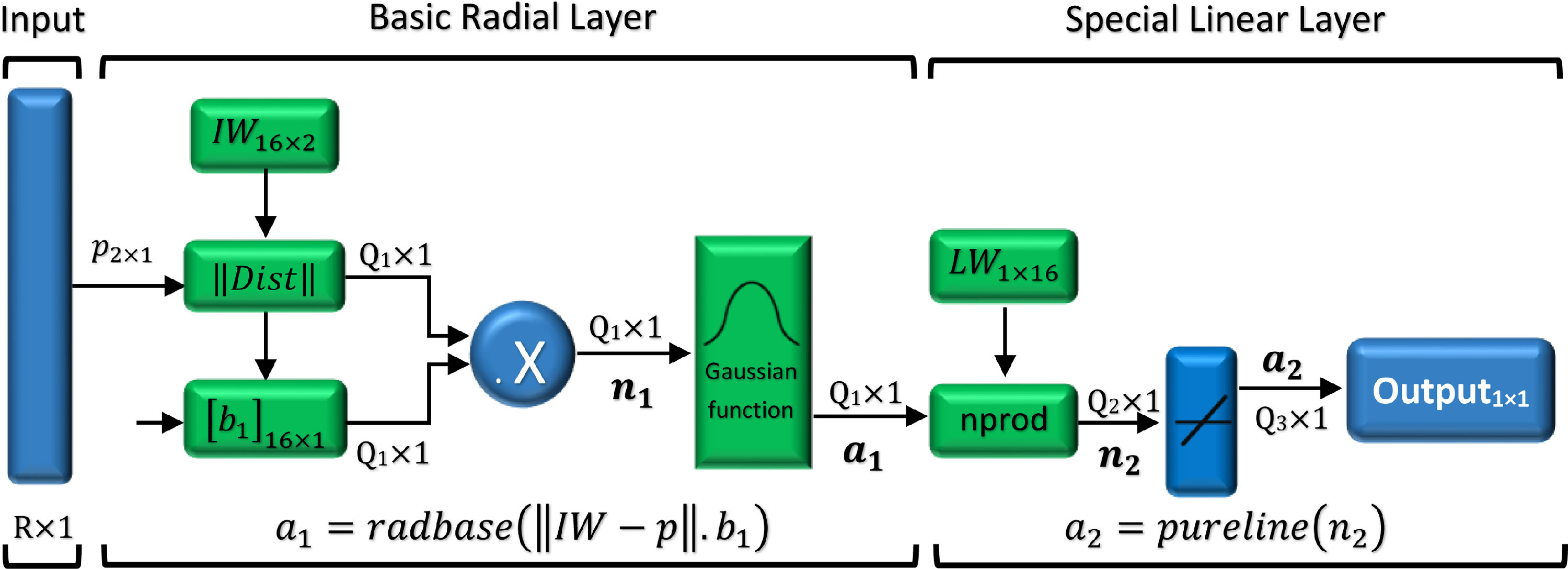
Machine learning algorithm used in my angiogenesis simulation to predict tumour behaviour
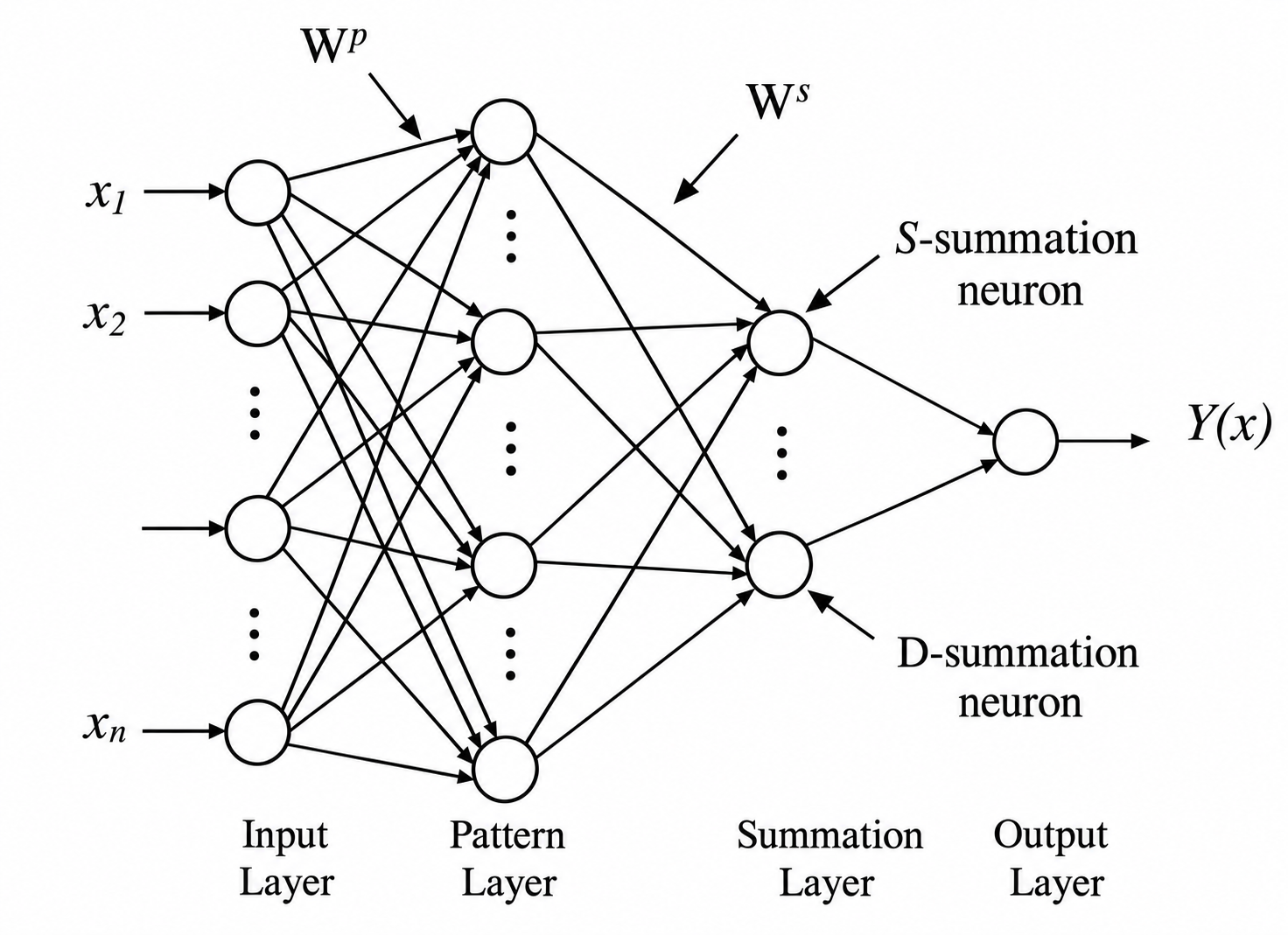
The schematic of layers inside a neural network
Computational simulation
As a mechanical engineer, I have worked primarily with two-dimensional and three-dimensional computational simulations. Mesh generation is one of the most interesting and important aspects of these simulations, as mesh quality can significantly affect the accuracy and reliability of the results. Therefore, the ability to generate appropriate structured and unstructured meshes is an essential skill in computational modelling.
I have developed codes for mesh generation, computational discretisation, and the simulation of mechanical phenomena, including fluid flow and heat transfer. Additionally, I have used commercial tools such as Gambit, ANSYS Meshing, and COMSOL's built-in meshing tools to generate meshes, as well as ANSYS Fluent and COMSOL to simulate these phenomena.


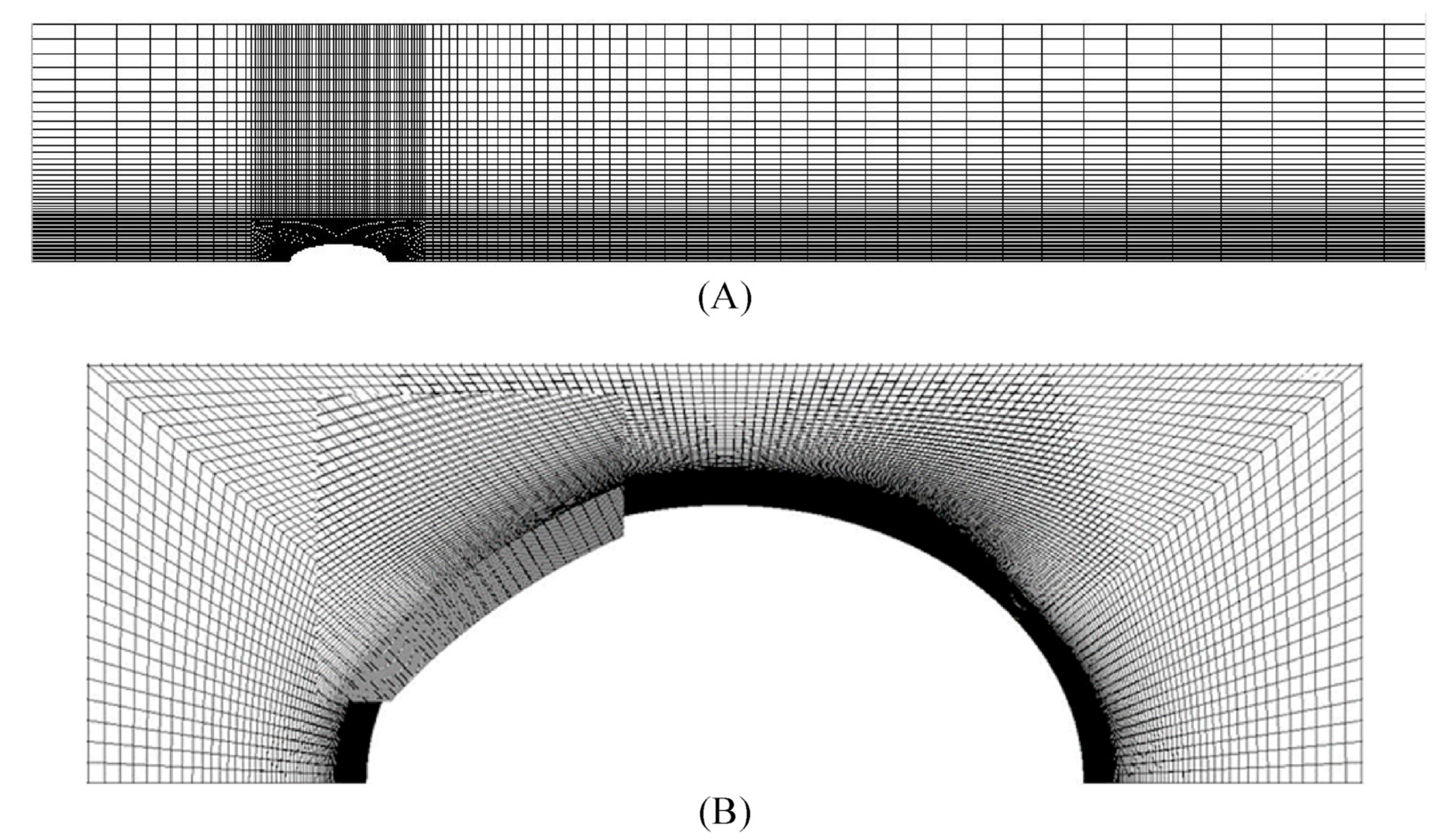
Meshed oval finned tube
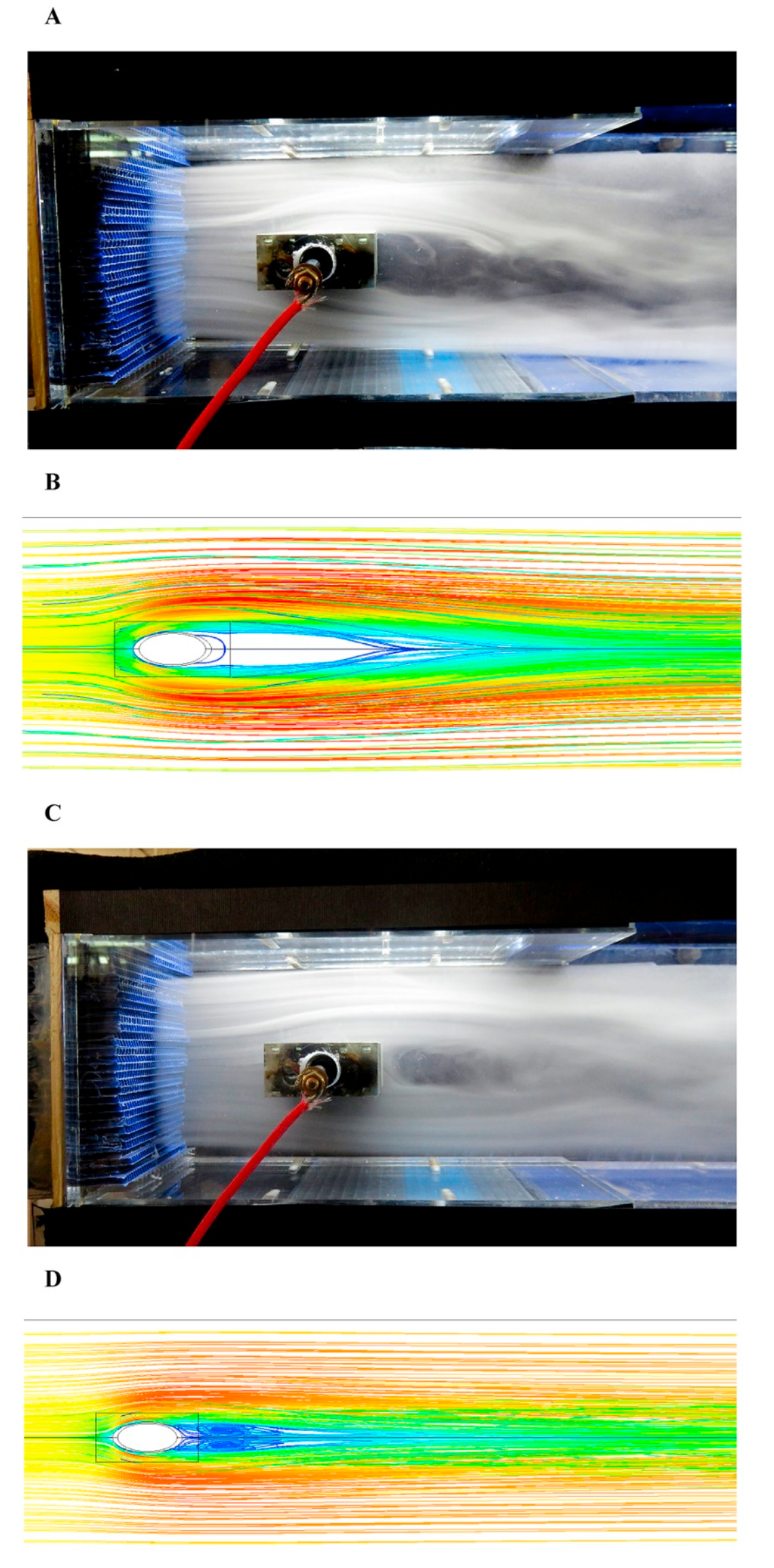
Experimental and numerical simulations of flow over a heated finned oval tube
Microcontrller Programming
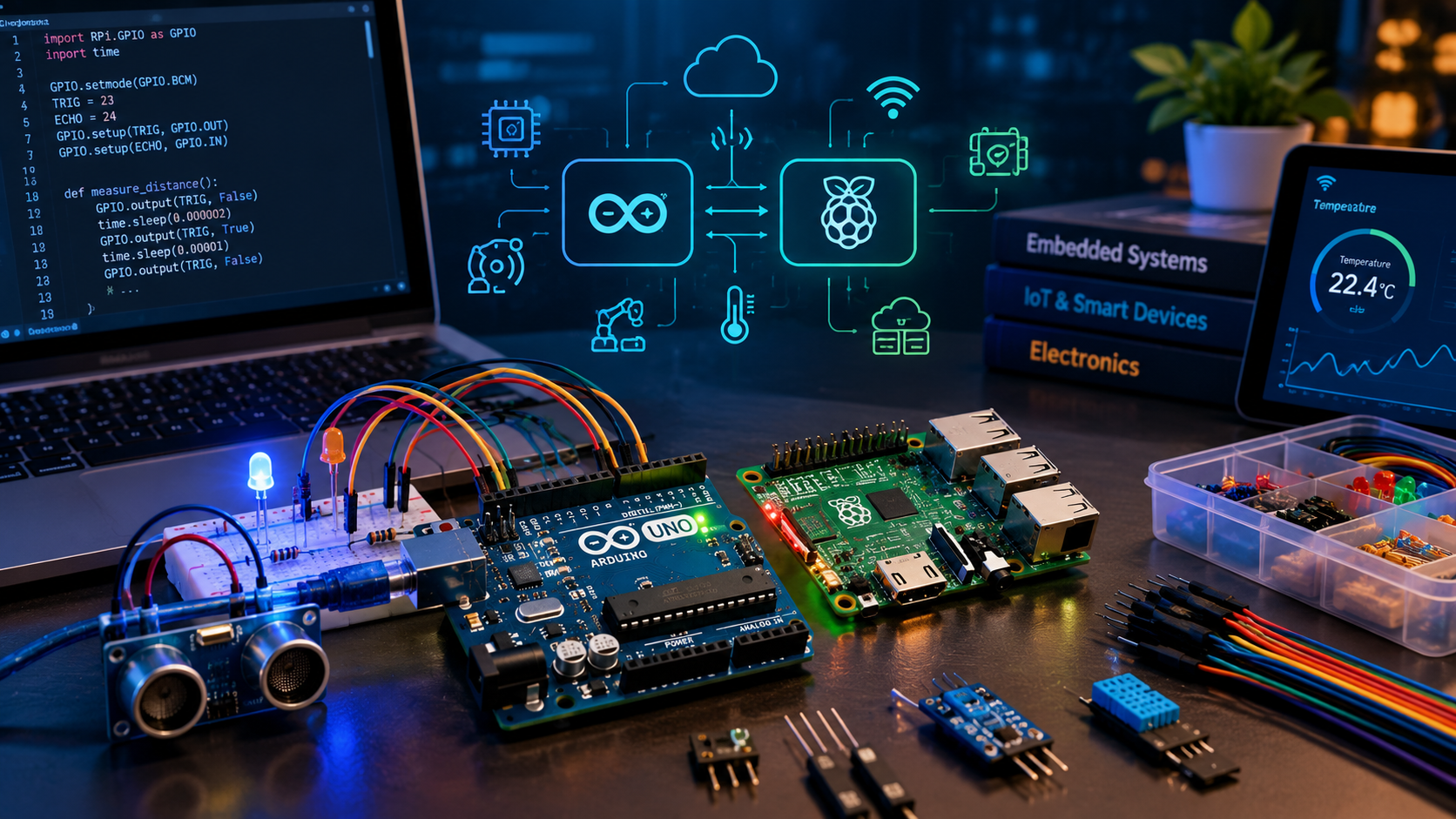
I have recently started working with Arduino and Raspberry Pi. I don't have many interesting tools made by these controllers yet. I have only made all projects in the Arduino Projects Book published by Arduino S.r.l.
I am planning to finish this skill to combine all my skills for better engineering based solutions for myself and for my career.